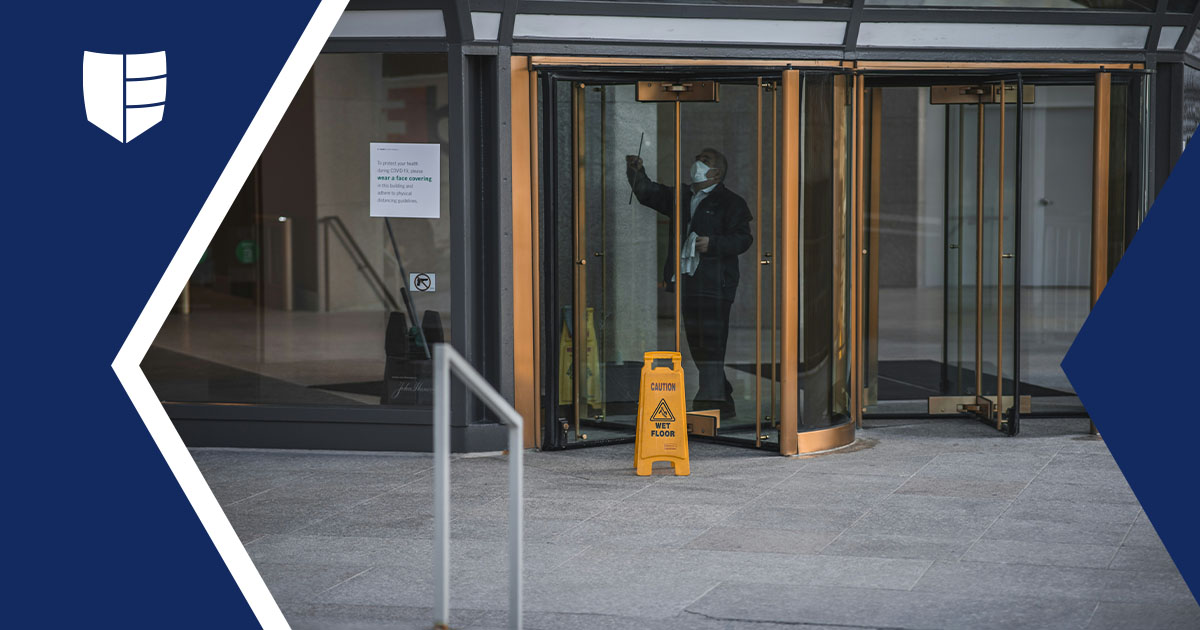
It’s been raining since breakfast, which in Seattle doesn’t qualify as news, and the tile inside the grocery store’s front door is slick with whatever 200 shoppers have tracked in. You slip on it and go down hard. By the time you leave urgent care, someone at the store has mopped the spot where you fell and thrown a dry mat over it.
Luckily, the security camera above the door recorded the part of the day you’ll need.
None of that takes scheming, but a store that cleans up fast is also wiping away the proof of just how dangerous that floor was.
A Seattle premises liability lawyer can track down most of the evidence later, but some of it lasts only a few hours.
Capture the Scene Before Someone Mops It Up
Nobody expects you to frame a shot from a stretcher. If you’re badly hurt, hand your phone to a friend or whoever is standing closest. Start wide enough that a stranger could find the spot, with the aisle sign or the door in the frame. Then zoom closer, with your keys beside the spill for scale.
Finally, stand where you first could have seen the hazard and take a photo from there. This helps because the first thing an insurer tends to argue is that you should have seen it coming.
Look for signs the problem had been there a while. Such signs could include a cart track cutting through the puddle or muddy footprints drying at its edges.
If there was no WET FLOOR sign or warning cone, photograph the spot where such notice should have been placed. If the lighting is poor, leave your flash off. Do not crop or filter anything.
Once you’re home, remove and bag the clothes and shoes you wore. Don’t wash them. Whatever is stuck to the sole of your shoe can show what you slipped on, even weeks after the floor was mopped dry. The insurance adjuster will ask what you had on your feet.
Remember that, in Washington, whatever percentage of fault gets pinned on you comes off of your recovery.
Find the Witnesses Who Saw the Hazard Before You Did
Most premises cases come down to notice, meaning proof the owner knew about the danger or that it sat there long enough that someone should have caught it.
Any shopper who stepped around that same puddle 20 minutes before you slipped in it can give you that timeline. A stranger with nothing to gain also carries credibility, so ask for names, phone numbers, and even email addresses before anyone leaves.
Ask what they noticed in the minutes before you fell, and to text you a few lines that same day.
A voice memo works even better. Start recording, then ask whether it’s okay, so their answer is on the recording. Washington law generally requires everyone’s consent to record a private conversation, and a secret recording can be kept out of court.
Count the Cameras Before You Leave
Most commercial security systems record on a loop, writing new video over old, sometimes within a few days. Before you leave, note every camera that might have caught the fall or the hazard.
- The property’s own cameras, inside and out
- Neighboring businesses facing the sidewalk or lot
- Doorbell cameras on nearby homes
- Parking garage cameras, which a different company might run
- Dashcams and bystanders’ phones
An attorney can send the owner a preservation letter, sometimes called a spoliation letter, asking it to hold onto the video along with sweep logs, inspection records, and the incident report. The letter should ask for the hour before your fall, too. Those extra 60 minutes can show how long the spill sat there and whether an employee walked right past it.
Washington courts generally won’t penalize a business for losing evidence it had no duty to keep, and a written request is one of the clearest ways to create that duty. If the video goes missing after that, a court can let the jury infer it would have hurt the business’ case.
Treat Every Form and Phone Call as Evidence
The incident report is the store’s document, and it can end up with the insurer before you ever see it. So ask for a copy, or ask if you can photograph it. If the report describes the fall differently than you remember, don’t sign it, and write down your own recollection of the fall that night.
Expect a call from the owner’s insurance adjuster within a few days. Log every one, including the adjuster’s name and anything promised. Most adjusters are pleasant on the phone. Their task is less so. Remember, the adjuster’s job is still to pay as little as the facts allow, and you have no obligation to give them a recorded statement, so talk to a lawyer before agreeing to one.
See a doctor within a day or two even if you feel mostly okay. Tell the doctor exactly how you fell. That intake note becomes one of the earliest records of what happened, written by someone with no interest in your claim. Waiting gives the insurer its favorite argument, that something other than the fall caused your injury.
Be especially careful with head injuries. Falls lead to nearly half of all hospital stays for traumatic brain injury, according to the CDC, so get any blow to the head looked at, even if you walked out of that store on your own.
Leave the Rest of the Evidence Chase to Us
At Law Offices of Justin R. Boland, PLLC, we send the preservation letters and deal with the insurance company while you recover. We also go looking for the cameras most people never notice, like the doorbell across the street. Justin R. Boland began his career as a prosecutor in Snohomish County and with U.S. Department of Justice.
If you were hurt on someone else’s property, reach out to our firm for a free consultation. Bring whatever you managed to save, even if it’s three blurry photos and a name scribbled on a wrinkled receipt. We’ll start looking for the rest while it’s still there.