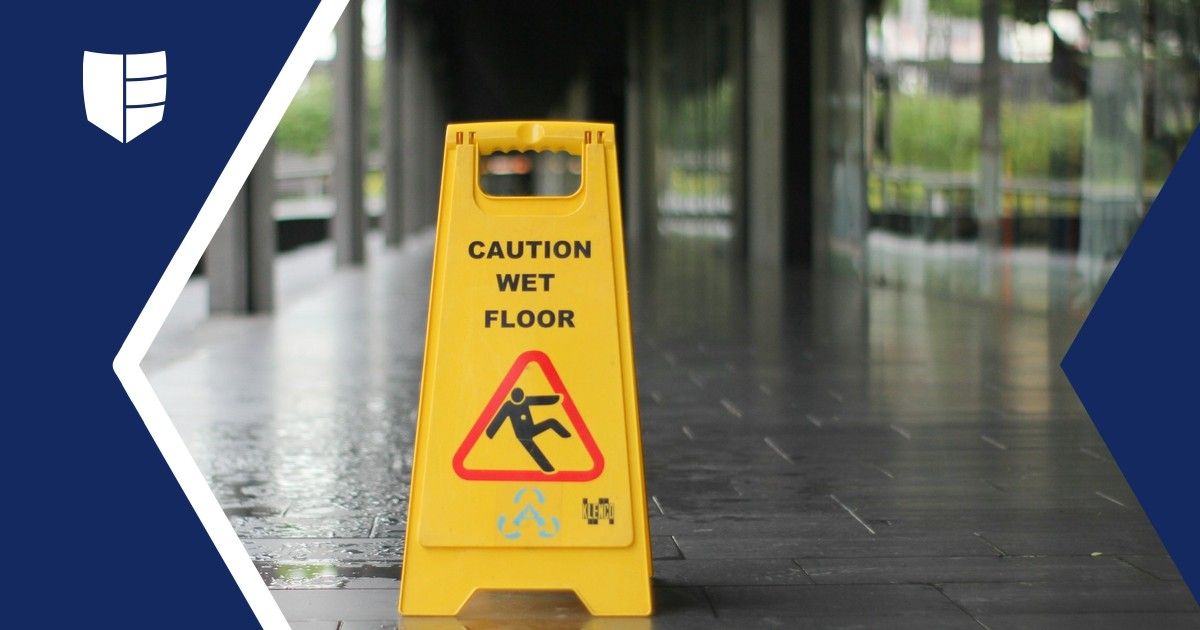
Don’t panic, but the moment you step outside your home, you’re surrounded by hazards that can lead to serious injury. Thankfully, you’re aware of most of these hazards. When it rains, you know the ground will be slippery, so you take extra precautions. On the road, you use defensive driving techniques to minimize the risk of an accident.
Basically, if you’re aware of your surroundings, you can avoid getting hurt.
Unfortunately, you could encounter hazards at stores, restaurants, movie theaters, or other venues you weren’t expecting. If you get hurt in those situations, you may have a basis for a premises liability claim.
That is where you hold the store owner or their designated tenants liable for your injuries.
Does this mean if you hurt yourself in a store, you should seek out the guidance from a Seattle slip and fall attorney? It’s not a bad idea.
In fact, it might be the only way to ensure you’re compensated for all your losses.
Actual Notice Versus Constructive Notice in Premises Liability
If you suffer a slip-and-fall accident outside the home, you can seek a remedy by filing a claim against the property owner. However, the property owner and their insurance company will argue that they were not at fault.
There is no specific amount of time a hazard must exist before a property owner can be held liable. Instead, liability depends on whether the property owner had actual or constructive notice of the dangerous condition and failed to fix it or warn others within a reasonable period.
Here’s what these notices mean:
Actual Notice
Actual notice means the property owner or an employee directly saw the hazard or was informed about it. For instance, a restaurant manager is told someone spilled a drink, or a store manager is told a bottle spilled in an aisle. If they fail to act to clean up that spill, they can be held directly liable for your injuries.
Constructive Notice
Constructive notice applies when the owner “should have known” about the hazard. In other words, the property owner did not actually know about the hazard. Still, it existed for long enough that a reasonably careful owner should have discovered and fixed it during routine maintenance or inspections.
To prevail in your claim, you need to establish what type of notice was in play at the time of your accident.
Factors That Determine If a Hazard Existed Long Enough
Even though there isn’t a rigid clock in a slip-and-fall scenario, you can apply a “reasonable time” standard to the accident.
That time standard changes based on the context:
- High-traffic businesses: In a busy grocery store or retail shop, a liquid spill might create constructive notice in as little as 15 to 20 minutes. This is because frequent customer traffic leads to regular aisle checks by staff. If it can be established that a spill was on the floor for 10 minutes or less, that is often deemed too short for a store to notice reasonably.
- Quiet or private properties: In an office building lobby or private home, a hazard might need to sit for an hour or longer or depend on the last scheduled inspection to establish constructive notice.
- Structural or permanent hazards: Broken stairs, loose handrails, rotting floorboards, or persistent roof leaks are a clear sign of long-term neglect. That directly establishes constructive notice immediately or over days and weeks that the hazard has existed.
How Evidence Proves How Long a Danger Was Present
In the immediate aftermath of a slip-and-fall accident, you might not think to take pictures of the scene, but that evidence will be crucial for proving what caused the accident and how long the danger was present.
The evidence you need to prove your claim includes the following:
Physical clues
Look for dried edges on a spill, dirt or footprints tracked through a mess, or accumulated dust. This indicates the spill was on the floor for a long time.
Inspection logs
Every business should maintain inspection logs. When did staff check or clean the area?
Surveillance footage
Most stores have surveillance cameras. That footage can establish the exact time the accident occurred.
Witness testimony
A witness can testify to when they saw the spill. They might even be the people who caused the spill.
Owner-created hazards
The property owner or their staff may have created the hazard themselves. For example, they left a mop bucket in a walkway that spilled water. In that instance, the time-notice requirement does not apply because the staff knew about it from the start.
How to Secure Evidence in Your Slip and Fall Claim
Recovering from a slip and fall accident will understandably take your full attention. Depending on the severity of your injury, you may need hospitalization, surgery, and time off work. That should be your focus.
Unfortunately, you might miss out on securing vital evidence. That is when you need to retain an experienced slip and fall accident attorney.
The Law Offices of Justin R. Boland, PLLC, have helped many Seattle residents pursue a remedy for these types of accidents. We know what vital evidence to secure and will move swiftly to preserve it.
This is especially true for surveillance footage that could be overwritten within days. Once we secure that footage, we can review it thoroughly and begin strategizing the best approach for filing a claim. We can also help calculate your potential damages so you can receive the maximum benefits you’re entitled to.
It’s important to act fast. Our support begins with a call to schedule a free consultation. We’ll answer your questions and discuss the merits of your claim.
Don’t wait to go after the compensation you are due.