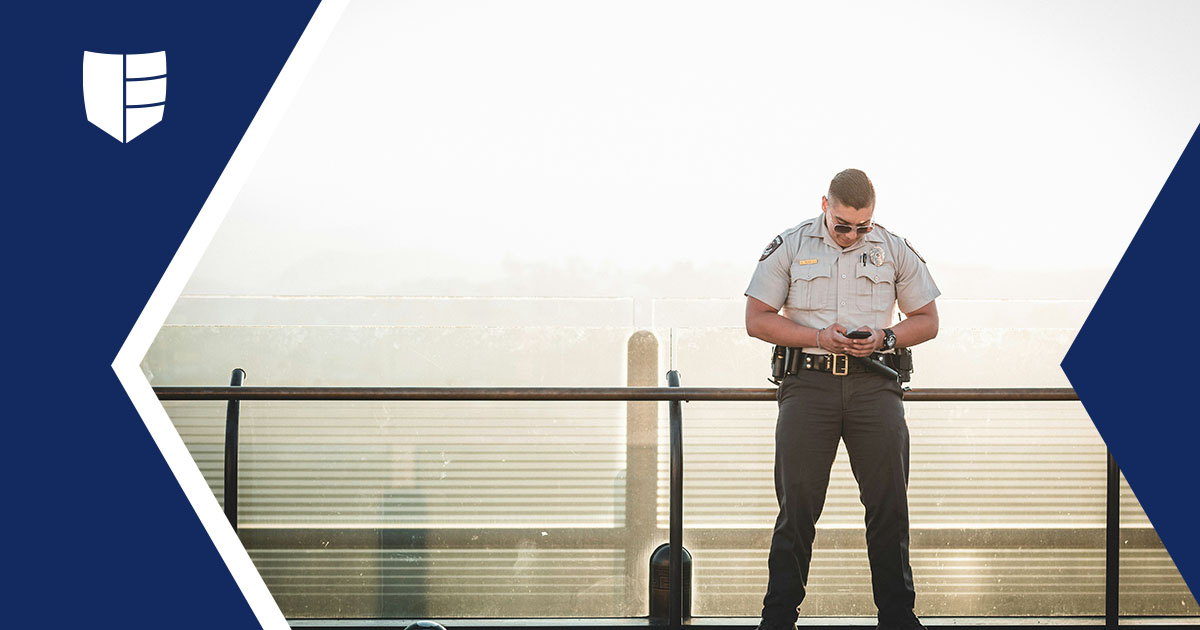
A lack of security guards can become a legal issue in Washington when a business knew there was a real risk of violence and still failed to provide enough trained people to respond.
That doesn’t mean every Seattle store, restaurant, apartment complex, or bar needs a guard standing at the entrance. The duty depends on the setting and the danger the business had reason to expect. That’s the key distinction.
A neighborhood coffee shop on a quiet afternoon does not present the same risk as a packed nightclub after midnight. Once a venue has a history of fights, weapons incidents, or police calls, its staffing choices become a fair subject for a negligent security claim.
The Legal Duty to Provide Adequate Security in Washington
Washington businesses owe their customers a duty to protect them from imminent criminal harm and from criminal conduct that is reasonably foreseeable. The obligation is to take reasonable steps, and whether harm was foreseeable at all is usually a question for a jury rather than something decided on paper.
Here is the part most articles on this subject skip. Washington’s Supreme Court has specifically declined to impose a separate duty requiring businesses to hire security personnel, reasoning that an absolute rule of that kind would shift police work onto private companies. There is no freestanding “you must have guards” rule in this state.
What courts examine instead is what the business knew, what had already happened on the property, and whether reasonable precautions could have reduced the risk. Sometimes those precautions are cameras or controlled access. Other times they are people.
That distinction matters, because a camera can record a fight but it cannot break one up. A trained guard may spot trouble developing, separate people, remove someone from the property, or call police before a situation escalates.
When the Absence of Security Guards Qualifies as Negligence
The absence of guards may suggest negligence if the danger was predictable enough that reasonable management would’ve staffed the property differently. There isn’t a statewide Washington rule requiring one guard for every certain number of customers at ordinary businesses. That means staffing is usually based on risk.
Factors that may support the need for additional security include:
- Large late-night crowds
- Alcohol service
- Prior shootings or assaults
- Repeated fights
- Weapons incidents
- Frequent police responses
- Multiple entrances or large floor plans
- Problems that regularly happen around closing time
Having one guard on the payroll does not settle the question. If that guard is expected to watch the doors, cover several rooms, handle intoxicated patrons, and respond to fights at the same time, the business may still have a staffing problem. How many guards were working matters, and so does where they were actually standing.
Foreseeability and the History of Crime on the Property
Foreseeability becomes much stronger when similar violent incidents have already happened at the same property or under similar circumstances. In Washington negligent security cases, prior incidents can help show that management had reason to anticipate another problem. A bar with several recent fights involving weapons presents a different situation from a business with no history of violence at all. Prior police calls, security reports, employee complaints, and prior removals of violent patrons can all help show what management knew before the incident.
Seattle’s nightlife record gives the issue some context. When the City Council passed new safety rules for certain after-hours lounges in 2025, officials cited at least 38 nightlife shootings in roughly a year, more than a dozen of them between 2 a.m. and 5 a.m. Police had collected more than 800 shell casings at nightlife incidents since 2020, tied to 91 different firearms. Citywide statistics do not prove negligence at any one venue, but they explain why higher-risk nightlife businesses are expected to plan more deliberately than a sandwich shop.
Where Security Staffing Rules Actually Apply in Seattle
Most Seattle businesses are not subject to any specific security staffing rule. A narrow set of higher-risk operations is.
The city’s after-hours lounge ordinance is the clearest example. Covered venues must have two security guards on site and maintain video surveillance, and they must draft a written safety plan. The rule reaches only about 20 to 30 establishments, and it specifically excludes restaurants, licensed adult entertainment businesses, licensed all-ages dance venues, and theater, sports, and recreation facilities.
Large permitted events can carry their own conditions, with the city weighing crowd size, alcohol, location, and entertainment when it sets requirements. Either way, a business that waits for an ordinance to force the issue has usually waited too long.
Proving a Lack of Security Caused Your Injuries
Proving that inadequate security caused your injury requires more than showing that there weren’t many guards working. The evidence needs to show that better staffing could reasonably have changed what happened.
That can be a difficult question.
A completely unexpected assault that unfolds in seconds may not have been preventable even with extra security. A fight that builds for 15 or 20 minutes while one overwhelmed guard tries to manage an entire nightclub is a different situation.
Useful evidence often includes:
- Guard schedules and timecards
- Surveillance footage
- Incident reports
- Prior police calls
- Guard training records
- Security company contracts
- Employee testimony
- Floor plans of where guards were stationed
The questions that decide these cases are specific. How many guards were working? Where were they positioned? What did they see, and when? How long did the conflict build, and was there a realistic chance to step in before it turned violent?
Steps to Take After an Incident Involving Negligent Security
The best steps after a violent incident focus on preserving evidence before it disappears.
- Report what happened. Make sure police and business management have a record of the incident.
- Identify members of security and staff. Write down their names, descriptions, locations, and anything you remember about what guards were doing.
- Find eyewitnesses. Get contact information from customers, employees, or anyone else who saw what happened before and during the incident.
- Preserve video. Security footage can be overwritten quickly, so it’s important to identify possible cameras early.
- Document earlier warning signs. Save information about previous fights, threats, weapons incidents, or complaints you know about.
- Keep medical records. Treatment records help connect the incident to the injuries and resulting losses.
These steps can help answer the questions that often matter most later: Was the violence truly unpredictable, or was the business simply not prepared for a danger it already knew existed?
Consulting a Seattle Negligent Security Attorney
Our Seattle negligent security attorneys will investigate whether the number, training, and placement of security guards were appropriate to the property’s actual risks. The question isn’t simply whether someone wearing a security shirt was present. One guard may be enough in one setting, while in another, it may be nowhere close.
A crowded venue with several entrances, alcohol service, repeated fights, and hundreds of patrons would likely require more staff than a small business with little history of trouble. The investigation may also examine whether the guards were properly trained, licensed, supervised, and assigned to appropriate positions. Quantity matters, but so does quality.
The Law Offices of Justin R. Boland, PLLC Advocate for Victims of Negligent Security
A lack of security guards becomes a legal issue in Washington when foreseeable risks make better staffing a reasonable safety measure. No single rule sets the number, so context controls the answer.
At the Law Offices of Justin R. Boland, PLLC, we understand how prior violence, alcohol, crowd size, police history, closing-time problems, and earlier security failures all change what reasonable care looks like. In higher-risk settings, another camera on the wall may not be enough. Sometimes the missing safety measure is a person who is trained, watching, and close enough to act when trouble starts.
If you have been injured because a business failed to provide adequate security, reach out to our firm today, and let’s start gathering the evidence while it still exists.