Seattle is a great city to explore. From the Pike Place Market to the Space Needle to the Downtown Waterfront, there are plenty of amazing spots to share with friends and family.
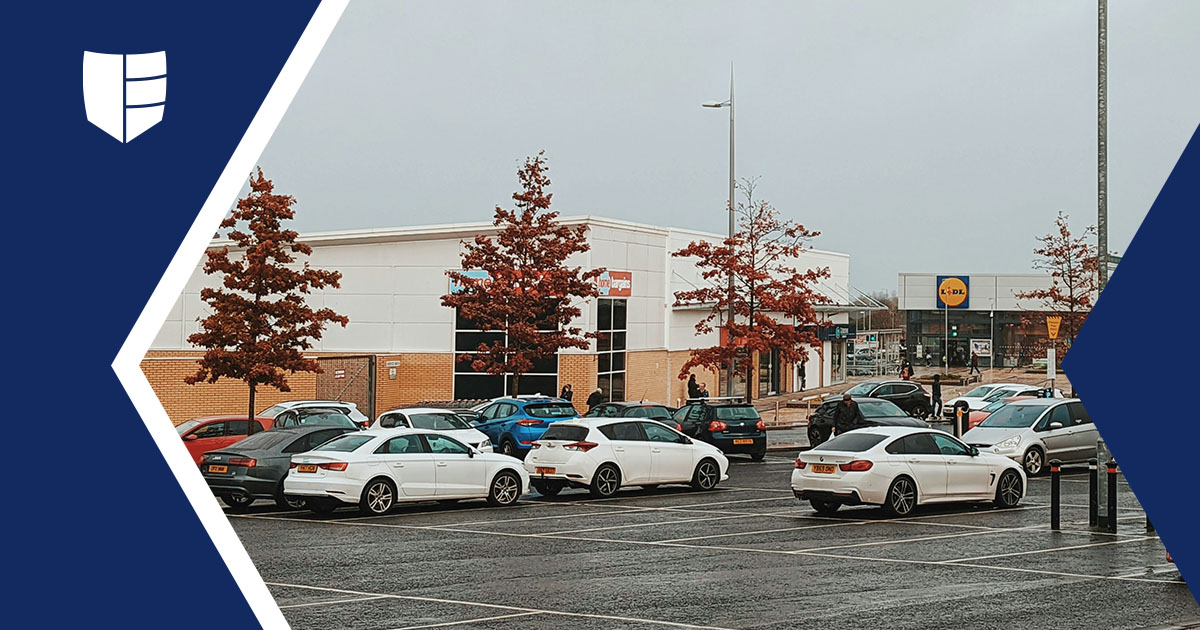
Unfortunately, parking at those and other Seattle destinations can sometimes be a challenge. You can leave your car at home and take a ride, find a parking lot (Downtown
Seattle currently has around 50 major commercial parking garages). Many other businesses have their own smaller parking lots. Nothing beats landing a great parking spot.
Parking lots are property owned and managed by a business. Whether parking is free or costs a fee, the business must maintain the lot.
What if someone slips and falls in the parking lot? Can they sue the lot owner for their medical bills? It depends on the circumstances, but this could be a premises liability issue that requires the support of an experienced Seattle slip and fall lawyer.
Your attorney will be in the best position to determine if your accident rises to the level of an actionable cause. If your claim has merit, you owe it to yourself and your family to explore all available options for compensation.
Common Hazards That Lead to Parking Lot Injury Claims
No one expects a walk from their parked car to end in a slip-and-fall accident. Depending on the lot, you may encounter hazards you’re not familiar with, especially if it is your first time parking there. If you’re filing a personal injury claim for a slip-and-fall accident in a parking lot, you must clearly identify what caused the accident.
These are the common hazards that can lead to a parking lot injury claim:
- Potholes and cracks: Deteriorating asphalt or concrete causes deep holes and uneven ground. A pothole can damage your car. They can also create tripping hazards for anyone crossing through the lot.
- Damaged wheel stops: Broken or misaligned concrete blocks hidden near parking spaces create tripping hazards.
- Inadequate lighting: Dimly lit areas can prevent people from seeing debris or approaching cars in the evening.
- Weather-related: Pooling water from rain can create dangerously slick walking surfaces.
- Fluid spills: Any parking lot is going to be ground zero for leaking motor oil, transmission fluid, and other automotive liquids. These can also create slip hazards.
- Inadequate security: Dark, unmonitored lots invite criminal activity. This can lead to assault claims against property owners.
Washington State Laws for Parking Lot Slip and Fall Accidents
A slip-and-fall accident in a parking lot can lead to an accident claim if you can prove negligence contributed to the fall. It is no different if you fell in a grocery store or restaurant because of a wet floor. In order to prove that, you need to establish the following four elements:
Duty of Care
The business or property owner owed you a safe space free from obvious hazards. Essentially, you need to establish who owns the parking lot. That owner could be the business the lot is attached to or an independent lot owner. That entity is responsible for maintaining that property.
Breach of Duty
A breach of duty happens when the property owner fails to fix or warn you about a dangerous hazard like oil spills, potholes, or poor lighting.
Notice
If a business owner is warned about dangers but doesn’t act to mitigate them, that would be considered negligent.
Causation
This is the link between the hazard and your injury.
If you can establish these elements, you could have a viable claim.
Proving Constructive Notice of Dangerous Parking Lot Conditions
Recently, a Seattle parking lot closed because of a spike in violence. According to a report from King5, the lot has reopened but with improved security measures. That’s a clear example of a business knowing about potential dangers. This becomes an issue of constructive notice.
To prove constructive notice in a premises liability case involving a dangerous parking lot, you must show that the hazard existed long enough that a reasonably careful owner should have discovered and fixed it during routine inspections.
For instance, if you tripped in a pothole, that condition doesn’t happen overnight.
On the other hand, an oil spill could have just happened moments before you slipped on it. In that scenario, you wouldn’t have had reasonable time to give constructive notice. However, if you look around the lot and discover numerous spills that haven’t been cleaned up, that could establish a pattern of neglect.
You may also be able to show that the property owner did not conduct regular inspections or maintenance. The longer the problem exists, the more likely negligence is.
How Comparative Fault Affects Your Washington Injury Settlement
Washington follows a pure comparative fault system. That means your exact percentage of blame reduces your injury settlement, but you can recover damages no matter how high your fault percentage is. In a parking lot accident, the lot owner might try to shift blame to you by claiming you weren’t watching where you were walking or that your shoe treads were slippery.
Those assertions can generate doubt and cause an insurance company adjuster to shift some of the blame onto you. Having a strong attorney in your corner can prevent that from happening.
The attorneys at Law Offices of Justin R. Boland, PLLC have helped many Seattle residents who have been the unfortunate victims of a slip and fall accident. We understand how important it is to quickly preserve evidence such as surveillance footage that can prove the accident wasn’t your fault.
We’re also extremely knowledgeable about Seattle’s premises liability laws. When we receive a claim, we’ll investigate to determine the merits of your case. If we’re confident in who is liable, we’ll work diligently to find a fast and fair resolution.
If you’ve been hurt in a parking lot or at any other business, we want to hear from you.
Call today to schedule a free consultation. You don’t have to take on a big insurance company alone.